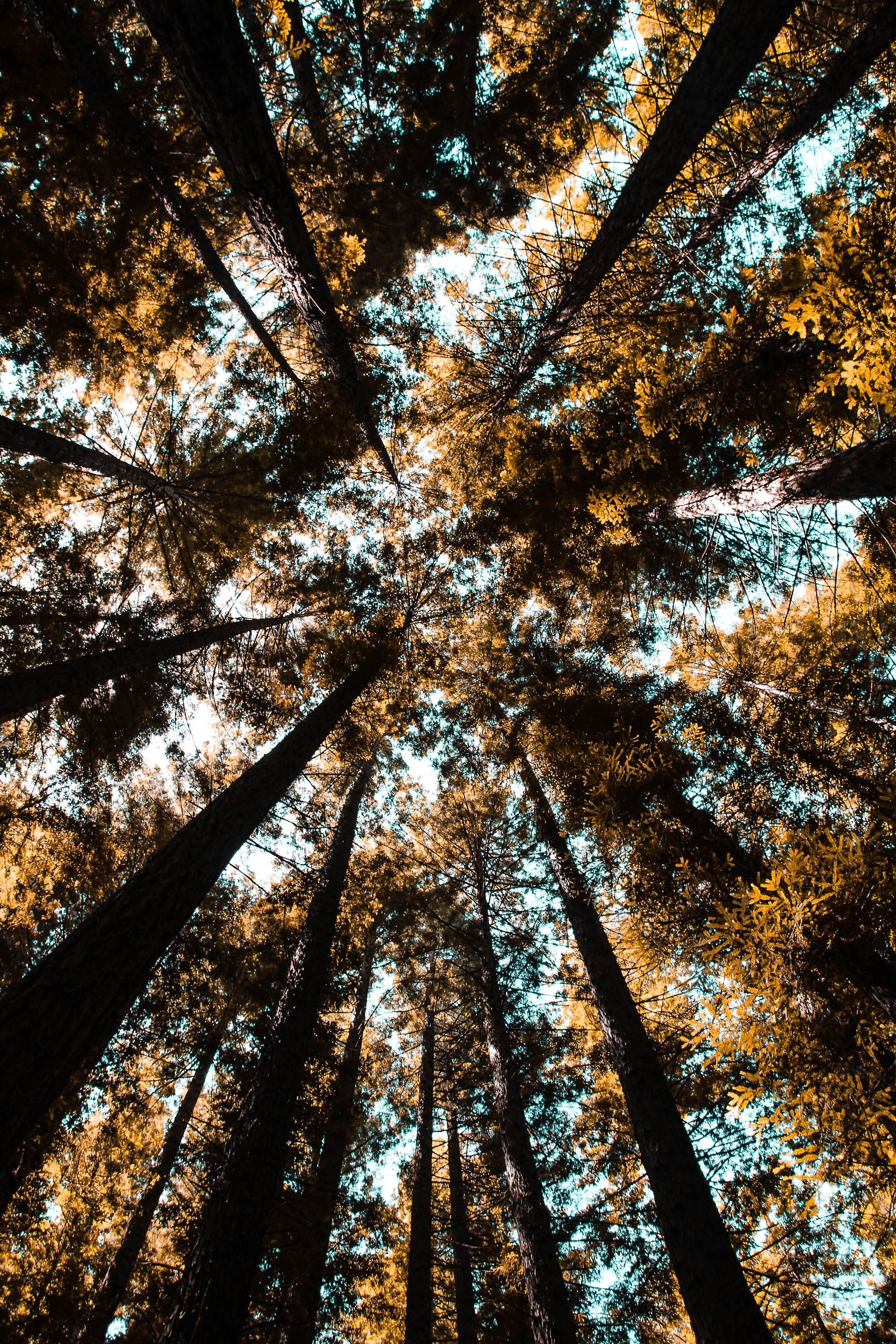
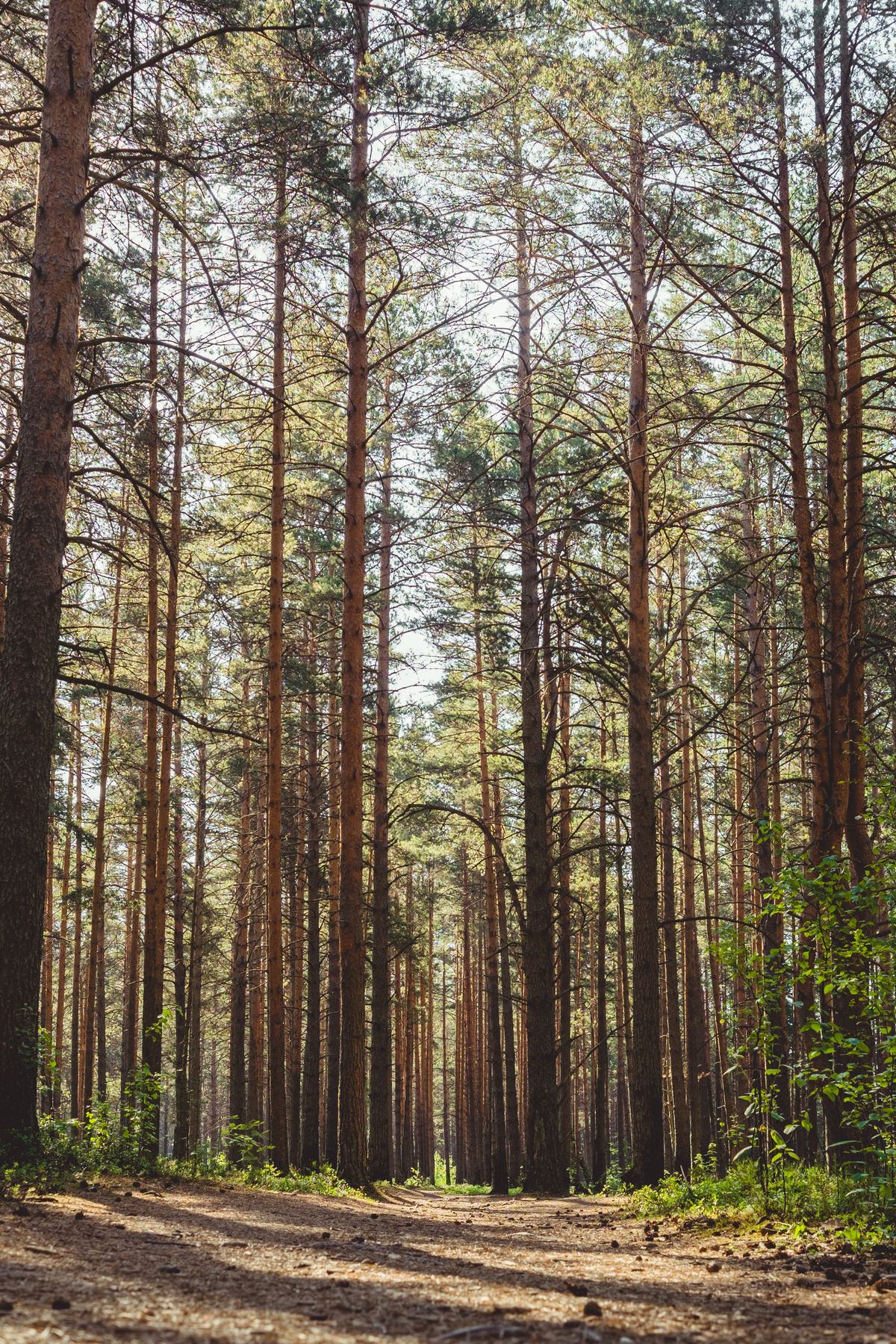
Sometimes a tree truly has to come down. That doesn't mean the job has to waste wood, wreck habitats, or leave a dead zone behind. Here's what a genuinely green removal looks like.
Remove only with reason
The greenest removal is the one that never happens. A certified arborist should first tell you whether pruning, cabling, or treatment could save the tree — and ours will, even when removal would pay us more. About a third of the "removals" we're called about leave our assessment as prunings instead.
Recycle 100% of the wood
Logs become firewood or lumber, branches become mulch, and even sawdust goes to composting partners. Nothing we cut goes to a landfill. Ask any bidder where their debris ends up — the answer tells you everything about their priorities.
Protect wildlife and neighbors
Before cutting in nesting season, responsible crews check for active nests and dens, and schedule around them when possible. Low-impact rigging, lawn mats, and modern low-emission saws keep the footprint small for the humans nearby too.
Replant for what was lost
A mature removal should end with a planting conversation: the right native species, in the right spot, with soil amended from the old stump's chips. We include a replanting recommendation with every removal quote — free, whether or not you hire us to plant it.
Want tree work with a light footprint? Explore our removal approach or our health plans that keep trees standing in the first place.